
NHNAI network

Lyon Catholic University mobilizes researchers from its Sciences & Humanities Confluence Research Center (labelled “Equipe d’Accueil” by the French state – EA 1598), a multidisciplinary center focusing upon contemporary ethical questions in the fields they emerge (environment, intercultural dialogue, sciences and technology). The main inputs will come from the cluster “Education, people, support,” but researchers from the clusters “Theology, philosophy and religious sciences,” “Culture(s), language, imagination” and “Integral human development, ecology, ethics” will also be involved.
Actors
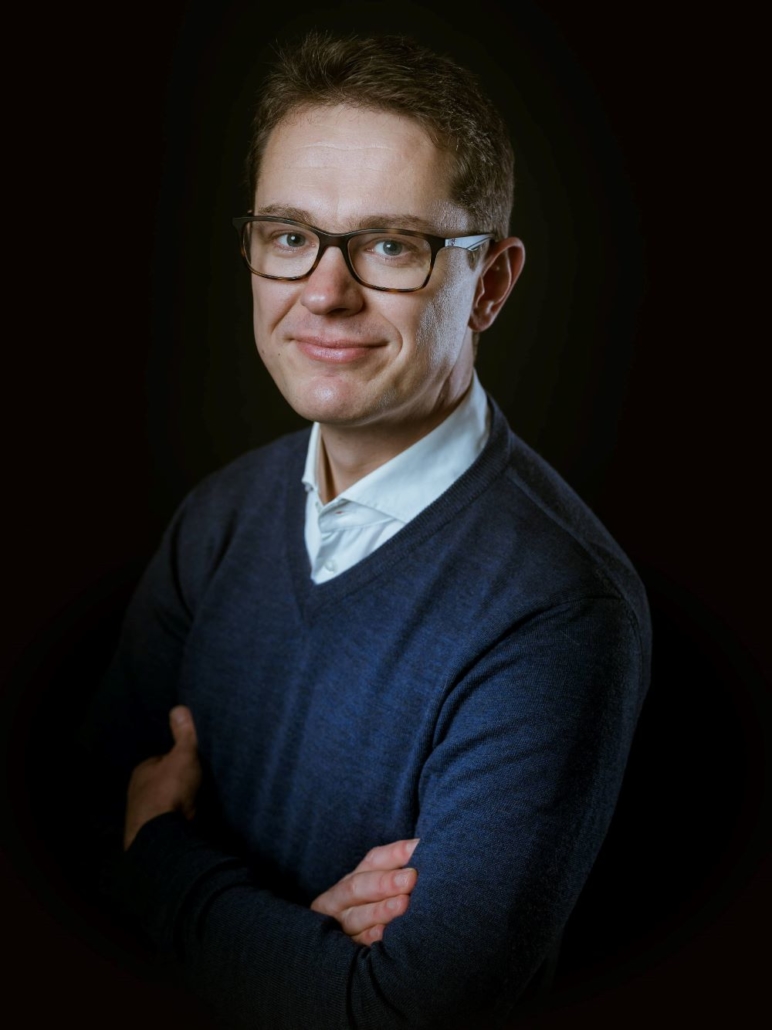 Mathieu Guillermin, NHNAI’s coordinator
Mathieu is an associate professor of the Confluence: Sciences and Humanities Research Center at Lyon Catholic University. He holds a PhD in physics and a PhD in Philosophy. He studies philosophical and ethical issues associated with new technologies, especially in the field of AI. He also explores the epistemological questions raised by the articulation of various forms of rationality (between academic disciplines, but also with extra-academic or common-sense rationalities).
 Laura Di Rollo, NHNAI’s research engineer
Laura Di Rollo holds a bachelor’s degree in psychology, a master’s degree in cognitive science and a DU in philosophy and history of sciences and technologies. She studies the ethical and philosophical implications raised by sciences and technologies, notably in the field of AI and neurosciences.
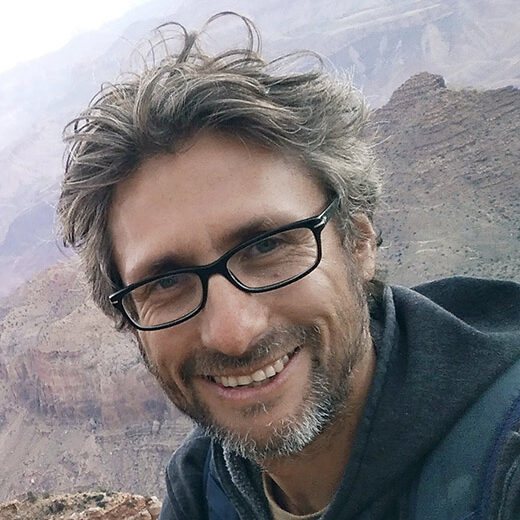 Juan R. Vidal
Dr. Juan R. Vidal is a neuroscientist currently at Catholic University of Lyon. He studied biology at Universidad de Chile and got his PhD in Cognitive Science at Université Pierre et Marie Curie in Paris (2005). During his post-doctoral years he studied brain mechanisms of human cognitive processes such as attention, consciousness, visual perception and working memory. More specifically, he is interested in how brain activity self-organizes through emerging neuronal oscillations, within and across distant cortical networks, and how it shapes emerging human behavior and conscious experience.
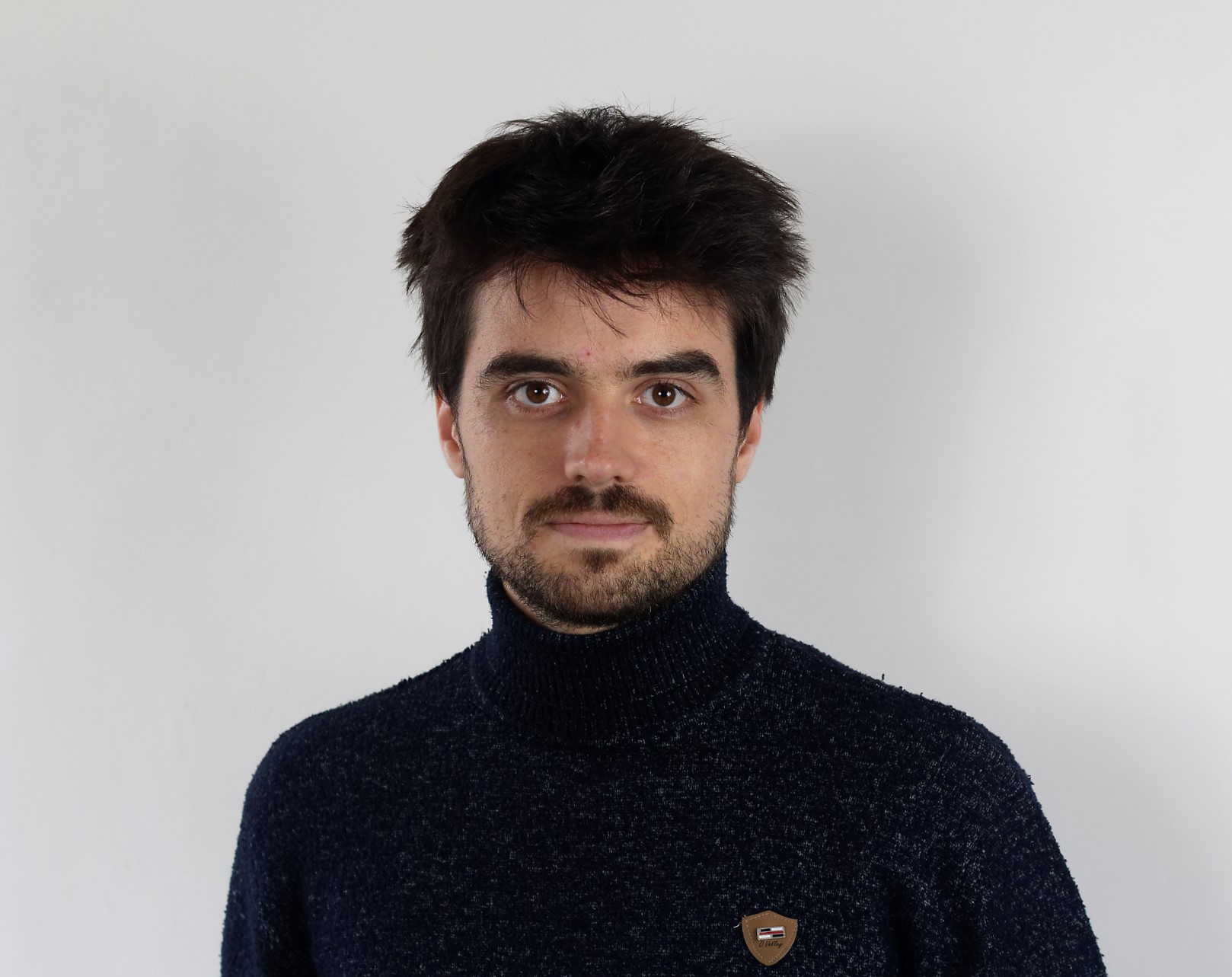 Jérémie Supiot
Jérémie Supiot is a doctoral student in philosophy at the Lyon Catholic University and at the LUMSA University. He holds a master’s degree in philosophy with a specialization in ethics, ecology and sustainable development. His thesis focuses on ethical empowerment at the interface between society and the university. His research topics are mainly epistemology and ethics applied to science and technology, especially engineering sciences. He is also a member of the EPSI research group, which organizes the Cultures of Engineers and Training seminar.

The International Federation of Catholic Universities (IFCU) contributes to NHNAI through its “International Centre for Research and Decision support” (CIRAD) that promotes international multidisciplinary research, as well as its “Foresight Unit” that accompanies IFCU’s members in the transformations triggered by New Information and Communication Technologies (NTIC). Since 1975, CIRAD promoted numerous international research and research-action projects contributing to south-south and north-south cooperation all over the world. CIRAD conducts international surveys and studies and produce publications to support higher education institutions, policymakers and any concerned parties (monographies, reports, white papers, guidelines, policy briefs). The Foresight Unit is devoted to accompanying management teams of member universities through mutations arising with NTIC. The unit produces annual reports upon tomorrow’s professions and upon catholic higher education. It also animates debates and seminars upon jobs transformations and their meaning for education.
Actors
 Montserrat Alom
Montserrat is director of the International Centre for Research and Decision Support (CIRAD) at the International Federation of Catholic Universities (IFCU), Paris. She is also an Associate researcher at CEPED-IRD/University of Paris and at the Pontifical University of Salamanca, Spain. Additionnally, she is an external lecturer at University Paris-Est Sup, France. She holds a PhD in sociology of science and is an expert in international research collaboration involving the South. Her current fields of study are research funding and evaluation, knowledge circulation, university social responsibility, the university in the digital age and responsible research practices.
 Nicolas Vergier
Nicolas Vergier holds a master’s degree in international and European studies from the University of Paris 8 and an MBA in association management from the University of Paris 1 Panthéon-Sorbonne. Nicolas VERGIER worked as a project manager for the Social Inclusion and Participatory Democracy Commission of the World Organisation of Cities: United Cities and Local Governments (Barcelona, Spain). He then joined the École Nationale Supérieure de Sécurité Sociale (Paris, France) as Head of International Projects, where he worked to strengthen Franco-Chinese collaboration on social security and the launch, in partnership with the ILO, of a Francophone platform for social protection floors made up of French multinational companies: L’Oréal, Sanofi, Michelin, Sodexo, Vinci, Bouygues, Kering, Legrand. Since 2018, he has been Head of Partnerships at FIUC.
The Catholic University of Eastern Africa involves researchers from its faculty of science and its department of psychology as well as experts in theology (moral theology, pastoral theology and dogmatic theology). NHNAI will also benefit from CUEA connections within the countries of the Association of Member Episcopal Conferences in Eastern Africa (AMECEA).
Actors
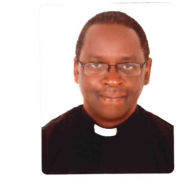 Rev. Prof. John Lukwata
Rev. Prof. John Lukwata (Theologian and Researcher), is a Catholic Priest of the Diocese of Masake, Uganda. He obtained his PhD in Sacred Liturgy at the Anselmianum, Rome, Italy. He is a full time member of the Faculty of Theology, the Catholic University of Eastern Africa. He has authored several books and articles in reputable Journals. He has participated in many university research projects for instance; he was the Chief CUEA Chief Researcher for the Paths of Development CCR-IFCU Poverty Reduction Project that was completed in 2014. He is currently the Coordinator of Interdisciplinary Theological Conferences. His key areas of interest include: Religion and Culture, Contemporary Forms of Worship, Communication, and Linguistics.

LUMSA notably mobilizes its research unit “Humanism(s) – languages, cultures, philosophies, societies” and will allow interconnection with “Contemporary Humanism,” a research network and an international and interdisciplinary double-badged PhD program focusing on the study of the notion of humanism through the three main perspectives of Philosophy and Religion, Education, Literature and Social Sciences. LUMSA also involves its research team on “Big Data and cognitive insights for effective administrative law.”
Actors
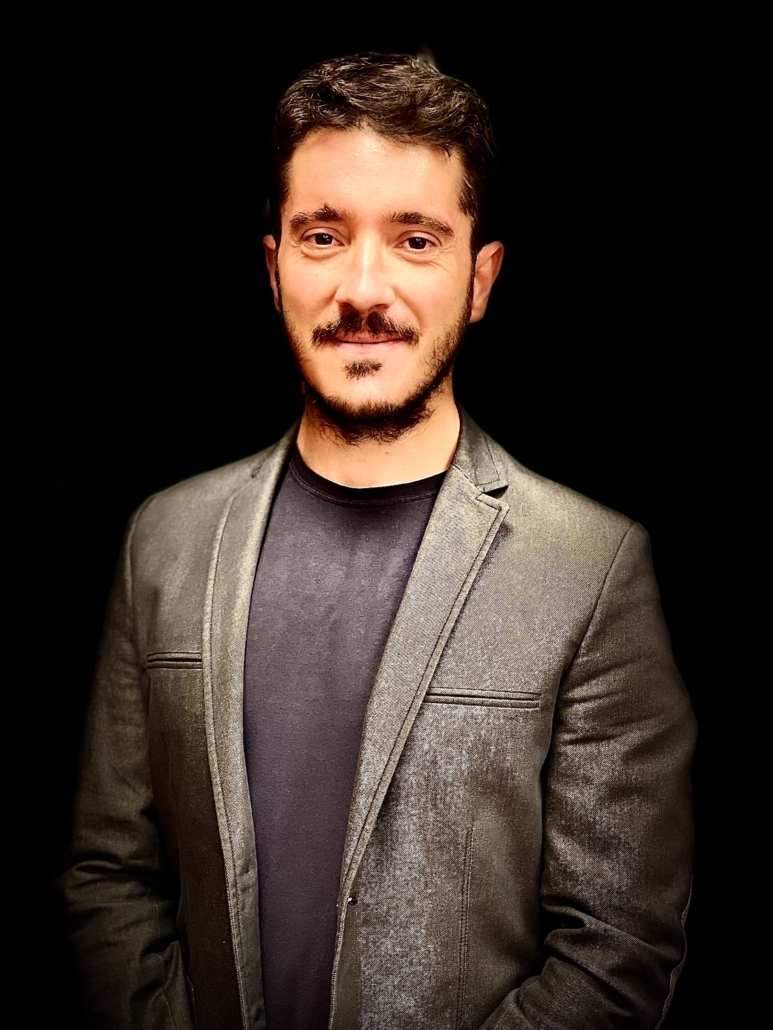 Stefano Biancu
Stefano Biancu is Associate Professor of Moral Philosophy at LUMSA University in Rome and the Coordinator of the Academic Board of the PhD program ‘Contemporary Humanism’. Before holding positions at LUMSA, he taught Ethics at the University of Lausanne and the University of Geneva and was visiting fellow at the University of Notre Dame (USA), the Pontificia Universidad Católica de Chile, the Universidade Católica Portuguesa (Lisbon), the Australian Catholic University Melbourne). In 2022 he obtained the Italian National Scientific Qualification as Full Professor of Moral Philosophy and was appointed Associate of the Rome Global Gateway of the University of Notre Dame. He is the author of several journal articles, book chapters and five books.
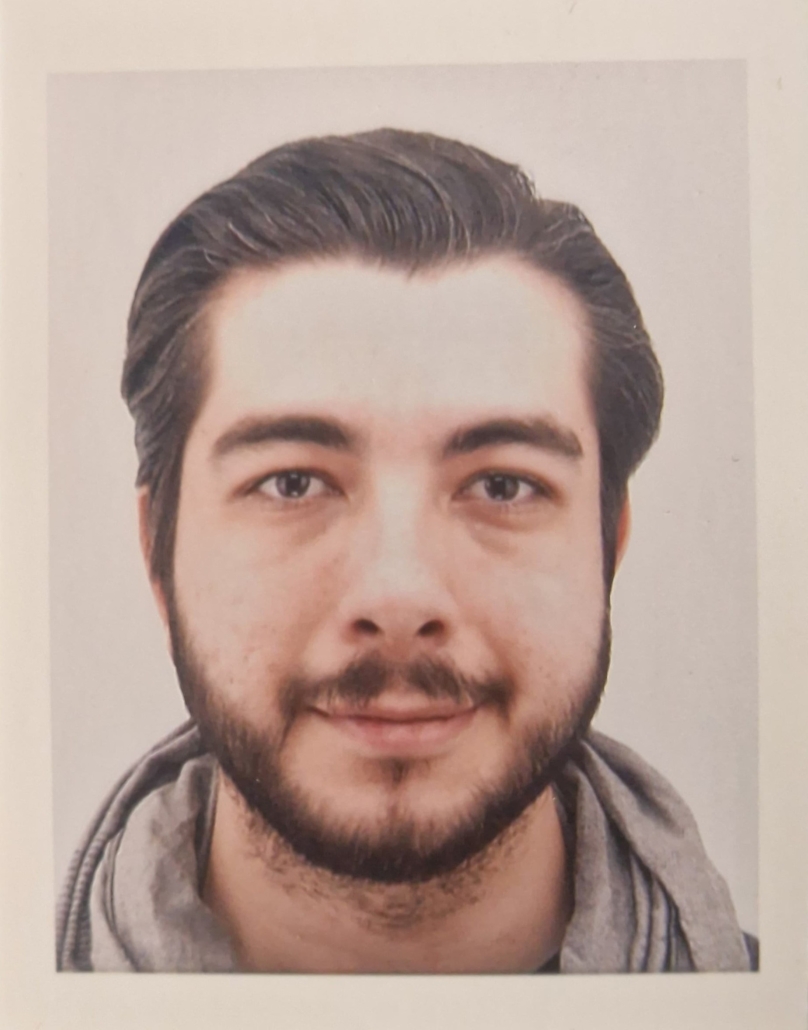 Marco Tassella
Marco Tassella is a dedicated PhD student in Moral Philosophy studying at LUMSA (Rome, Italy) and UCLy (Lyon, France). His areas of specialization include moral responsibility, the philosophy of action, and the philosophy of technology. Currently, his research focuses on philosophical anthropology, moral enhancement, and the interplay between human decision-making and Moral AI systems.

Santa Clara University mobilizes researchers from the Markkula Center for Applied Ethics, which is located in the Silicon Valley and brings the traditions of ethical thinking to bear on real world problems. The staff of the Markkula Center for Applied Ethics includes ethics scholars and practitioners in many fields (Ph.D. ethicists, lawyers, businesspeople, educators, religious leaders, scientists, and journalists).
Actors
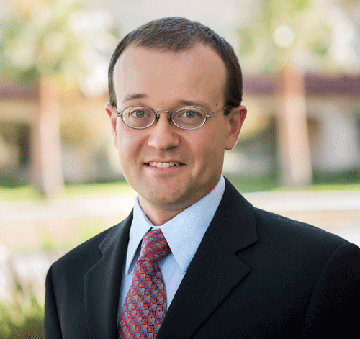 Brian P. Green
Brian Patrick Green is the director of technology ethics at the Markkula Center for Applied Ethics. His work is focused on the ethics of technology, including such topics as AI and ethics, the ethics of space exploration and use, the ethics of technological manipulation of humans, the ethics of mitigation of and adaptation towards risky emerging technologies (including ones with catastrophic risk potential), and various aspects of the impact of technology and engineering on human life and society including the relationship between technology and religion (particularly the Catholic Church). Green teaches AI ethics in Santa Clara University’s Graduate School of Engineering and formerly taught several other graduate engineering ethics courses.
The Pontifical Catholic University of Chile mobilizes its faculties of Education, Social Sciences, Medicine, Engineering, and Philosophy.
Actors
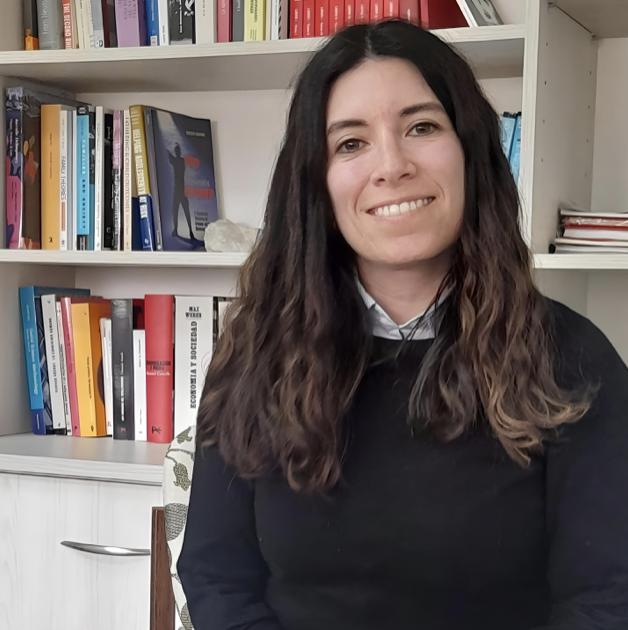 Javiera Paz Reyes
Doctor in Sociology, academic at the Institute of Sociology of the Pontifical Catholic University of Chile and currently director of the program. She has been in the field of sociology of work, family and organizations for 13 years, analyzing trends and changes in different dimensions that affect people in these areas. Javiera is particularly interested in the way in which inequality manifests itself in the family, companies, schools and other organizations, as well as the cultural dynamics that underlie it. In this sense, artificial intelligences come to remove all these spaces from social life, stressing both the perceptions and practices of people in their daily lives, and it is interesting for her to know their implications.
Alejandra Marinovic-Guijon
Alejandra Marinovic is professor of applied ethics at Pontificia Universidad Católica de Chile (UC). She has taught numerous courses at Chilean universities in the areas of Macroeconomics, International Economics and Labor Economics at the undergraduate and graduate levels. At Universidad Adolfo Ibáñez (2010 to 2021) she was Director of the MBA International Programme, as well as Director of the Case Center. Her research work focuses on social capital, citizenship education and socioeconomic inequality. She has extensive experience in the public sector (2000 to 2010), where she worked as advisor to the Ministry of Finance of the Government of Chile and as Senior Economist at the Central Bank of Chile. She holds a Ph.D. in Economics from Columbia University (New York), a B.A. and M.A. in Economics from Pontificia Universidad Católica de Chile.


The University Catholic of Lille mobilizes researchers from the research unit “Ethics on experiments, Transhumanism, Human Interactions, Care & Society” (ETHICS – labelled by the French state, EA 7446), which gathers scientists, philosophers and economists to study the technoscientific and socioeconomical transformation of our contemporary world. ETHICS first topic of interest is thus ethics, and more broadly the Human and his embedding in the society and in its environment. Within ETHICS, the chair “Ethics, Technology and Transhumanism(s)” (ETH+) will be more directly involved. This research team conduct a critical analysis of ethical and societal stakes raised by transhumanism. Its research fields are the following:
-
- History of transhumanism, analysis of its different streams and actors
-
- Influence of transhumanism upon our conceptions of the notions of subject, health, performance, and human flourishing.
-
- Ethical questions raised by new technologies (AI, robotics, prosthetics, human-machine interfaces, genome edition techniques).
-
- Ways of production of beliefs upon sciences and technologies, and their impact upon our behaviours and societal choices.
The Centre for Ethics, Technics and Society (CETS) attached to University Catholic of Lille’s engineer school (ICAM). The CETS focuses upon the critical study of new technologies (AI, Nuclear wastes, GMOs, Nanotechnologies, …) in their philosophical, ethical and political dimensions as well as upon engineering philosophy and ethics.ed.
Actors
Fernand Doridot
Fernand Doridot is an engineer from Nantes Central School and holds a PhD in philosophy and history of science. He is a specialist of ethical and governance questions raised by the development of new technologies (such as nanomaterials and their impacts on health). He is notably involved in the European project H2020 NanoFabNet (www.nanofabnet.eu) and collaborates with the French National agency for health security of food, environment and work (ANSES).
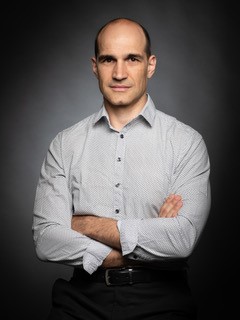 Eric Fourneret
Eric Fourneret is an associate-professor of philosophy (moral philosophy and philosophy of the technic) at ETHICS EA 7446 Lab (ETH+ team, Catholic University of Lille, France). He defended his thesis on the euthanasia problem and he worked on different ethical issues about end of life. Among his notable publications, we can highlight « Choisir sa mort » (PUF, 2012) and « Sommes-nous libres de vouloir mourir ? (Albin Michel, 2018). He has worked on Machine-Computer Interface (MCI), artificial Intelligence and different ethical issues in neuroscience since 2016. The last notable publications are “Le cerveau implanté » (Hermann, 2022) and « IA, neurosciences et technologies : tension entre liberté citoyenne et liberté de la recherche scientifique », Revue AfIA (and al., 2023).

The Catholic University of Portugal mobilizes its “Catolica Research Centre for Psychological, Family and Social Wellbeing” (CRC-W), an interdisciplinary research unit in the School of Human Sciences (Universidade Católica Portuguesa). It comprises PhD faculty members and external experts from the scientific areas of Psychology, Social Sciences and Education. CRC-W focuses upon individual, family and social wellbeing. NHNAI will also benefit from interactions with UCP’s new institute called the “Digital Ethics Laboratory” (Labortorio da Etica Digital – LED).
Actors
 Rita Francisco
Rita Francisco has an Honours degree and a PhD in Psychology. She is Assistant Professor at the Universidade Católica Portuguesa, where she is the coordinator of the Masters in Psychology of Wellbeing and Health Promotion, and of the Post-graduation Program on Child Protection System. She was the founding director of CRC-W: Católica Research Centre for Psychological, Family and Social Wellbeing (2017-2023). She is a consultant for the Directorate-General for Health in health literacy and well-being, and a specialist in Clinical and Health Psychology by the Portuguese Psychologists Association.
 Barbara Nazaré
Bárbara Nazaré has an integrated master’s degree in Clinical and Health Psychology and a PhD in Health Psychology. She is an invited assistant professor at Universidade Católica Portuguesa, where she lectures at several study cycles (including the Master in Psychology of Wellbeing and Health Promotion) and supervises students’ internships and dissertations. She is a member of CRC-W (Católica Research Centre for Psychological, Family and Social Wellbeing).

The university of Namur contributes to NHNAI with researchers from two of its research institutes: Namur Philosophical Space (ESPHIN) and Namur Digital Institute (NADI). ESPHIN is a transdisciplinary space open to the outside, dedicated to encourage original research around the topics of its two founding departments: Philosophy at the Faculty of Philosophy & Letters and Sciences-Philosophy-Society at the faculty of Sciences. In synergy with other entities, the researchers aim at the emergence of new topics in the key areas of philosophy like anthropology, ethics, aesthetics, epistemology, logics and metaphysics. In NADI, researchers bring innovative solutions to the new societal challenges resulting from the digital revolution (eGov, eHealth, eServices, Big Data…). Researchers in different fields combine their skills in computer science, technology, ethics, law, management and society. They address issues such as software and systems, innovation and services, collaborative economy, artificial intelligence, security and privacy or technology and society. Namur Digital Institute (NADI) hosting research on the challenges generated by the digital revolution in sectors such as health, economy, and governance.
Actors
 Yves Poullet
Yves Poullet is full professor at the Faculty of Law at the University of Namur. His research interests include the issues of privacy, individual and public freedom in the information society as well as the topic of internet governance. He has been during 12 years (1992-2004) member of the Belgian Commission on Data Protection. In addition, he was since its origin, member of Legal Advisory Board of European Commission and the president of the Task Force “Electronic Democracy and Access to public records”. He is a founder of the European Telecommunication Forum, ECLIP and FIRILITE. He also chaired the Belgian Computer Association ABDI (Association Belge de Droit de l’Informatique). Yves Poullet is also an expert for the OECD and the UNESCO.
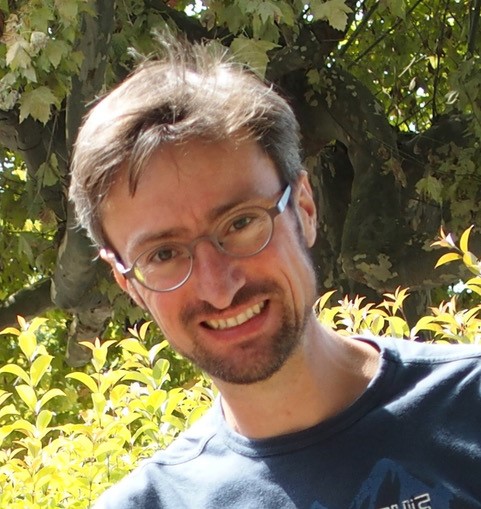 Nathanaël Laurent
Doctor in biomedical sciences and graduate in philosophy, Nathanaël Laurent is a teacher and researcher at the University of Namur. His field of research concerns the philosophy of our relationships with living things. He is particularly interested in relational biology (N. Rashevsky and R. Rosen) and the ethics of the relationship (in the encounter) that it allows us to consider.
 David Doat
David Doat is an associate-professor of philosophy (philosophy of the technic, philosophical anthropology) at University of Namur. Graduated in Philosophy from the Catholic University of Louvain-la-Neuve (2006) and Doctor of Philosophy from the University of Namur (2016). At the crossroads of the philosophy of biology, philosophical anthropology and moral philosophy, his doctoral thesis (2016) focused on human vulnerability and its impact on human sociality, as well as on the evolution of care and techniques within human societies. Within the past few years, his work has focused on representations of human enhancement and vulnerability, prostheses and artificial intelligences in contemporary philosophical, scientific, trans- and posthumanist literature.
 Federico Giorgi
Federico Giorgi graduated in philosophy from La Sapienza University of Rome, and now he is doing a PhD at the University of Namur. He investigates the potential and limits of numerical technology, in order to rethink the relationship between what is natural and what is artificial in the light of the digital revolution. His other areas of research are philosophy of biology, philosophy of perception and philosophy of cinema.

Fu Jen Catholic University mobilizes notably its college of medicine and its department of philosophy
Actors
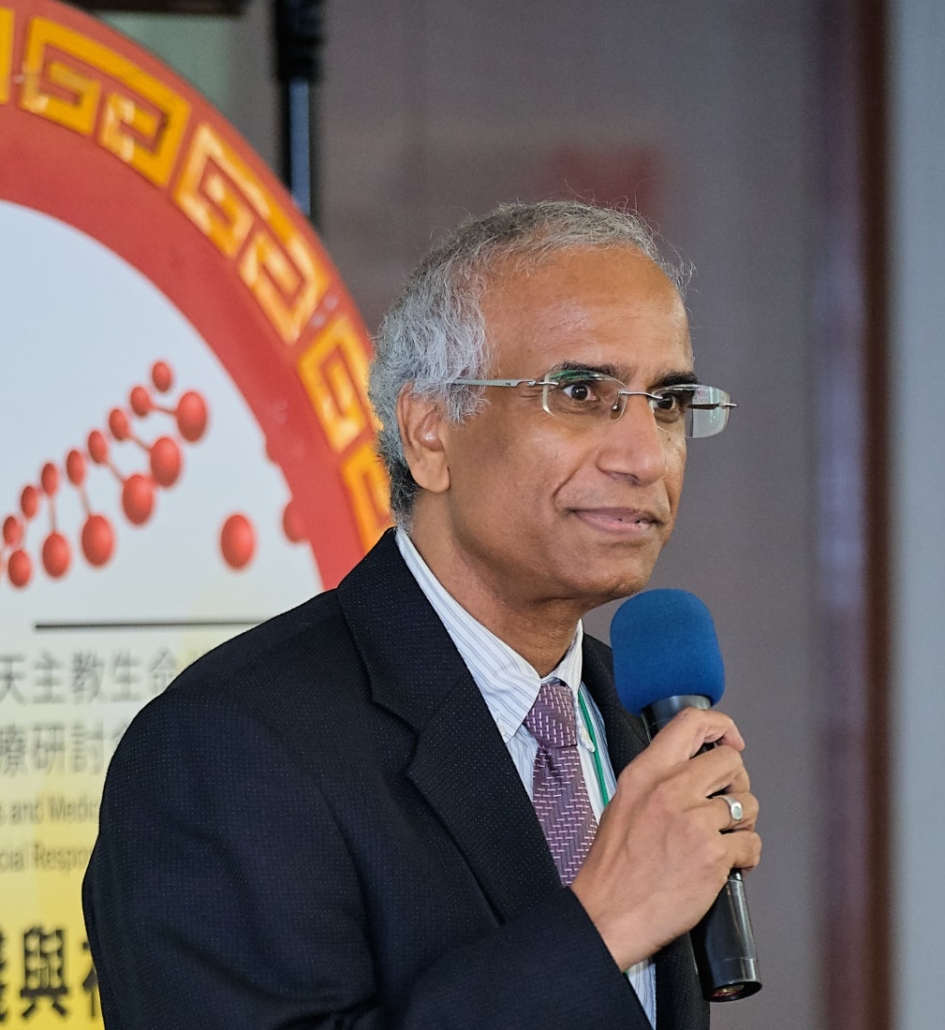 John Selvamani
Maria John P. Selvamani is an Associate Professor in the School of Medicine and serves as the Dean of Fu Jen Academia Catholica at Fu Jen Catholic University in Taiwan. He holds a doctorate in molecular biology and bachelor’s degrees in philosophy and theology. He is the author of the book “Catholic Faith and Evolution” (2016) and has contributed to various journal articles focusing on science and religion and biomedical ethics.

Cégep de Sainte-Foy is a general and vocational college located in Sainte-Foy, in the city of Québec, Canada. The philosophy department is involved in NHNAI, with researchers working on the ethics of AI.
Actors
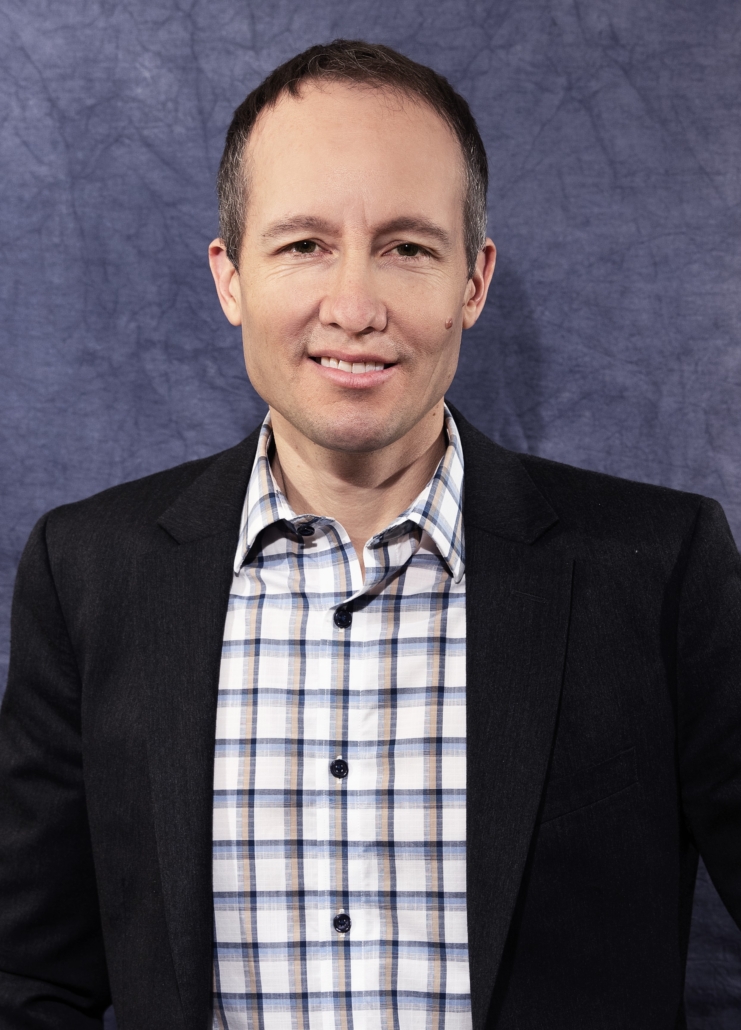 Sylvain Auclair
Sylvain Auclair has been a philosophy professor at CEGEP de Sainte-Foy (Quebec, Canada) since 2004. He is the co-developer of the course “Philosophical and Ethical Issues in Artificial Intelligence (AI),” offered at CEGEP de Sainte-Foy and online at Laval University. His work focuses on privacy issues in the age of AI and big data. He has given numerous lectures, published articles and research reports, and participated in research projects on the ethics of AI. He is a researcher at the International Observatory on the Societal Impacts of AI and Digital Technology (Obvia). He also chairs several research ethics committees and serves as an ethics expert on these committees.
Notre Dame University involves academic experts from the Technology Ethics Center, which promotes multidisciplinary research on social and ethical questions relating to technology.
The Edward C. Kennedy Center for Business Ethics at Belmont University builds moral character, cultivates ethical decision-making, and supports a culture of integrity to advance human flourishing. They do this through the creation of innovative programs and resources to develop persons of character with ethical intelligence in the key areas of AI & Emerging Technologies, Health Care, Music & Entertainment, and Leadership. The website is ethics.belmont.edu where visitors can find our two frameworks: Framework for Ethical Intelligence and MOSAIC.
Actors
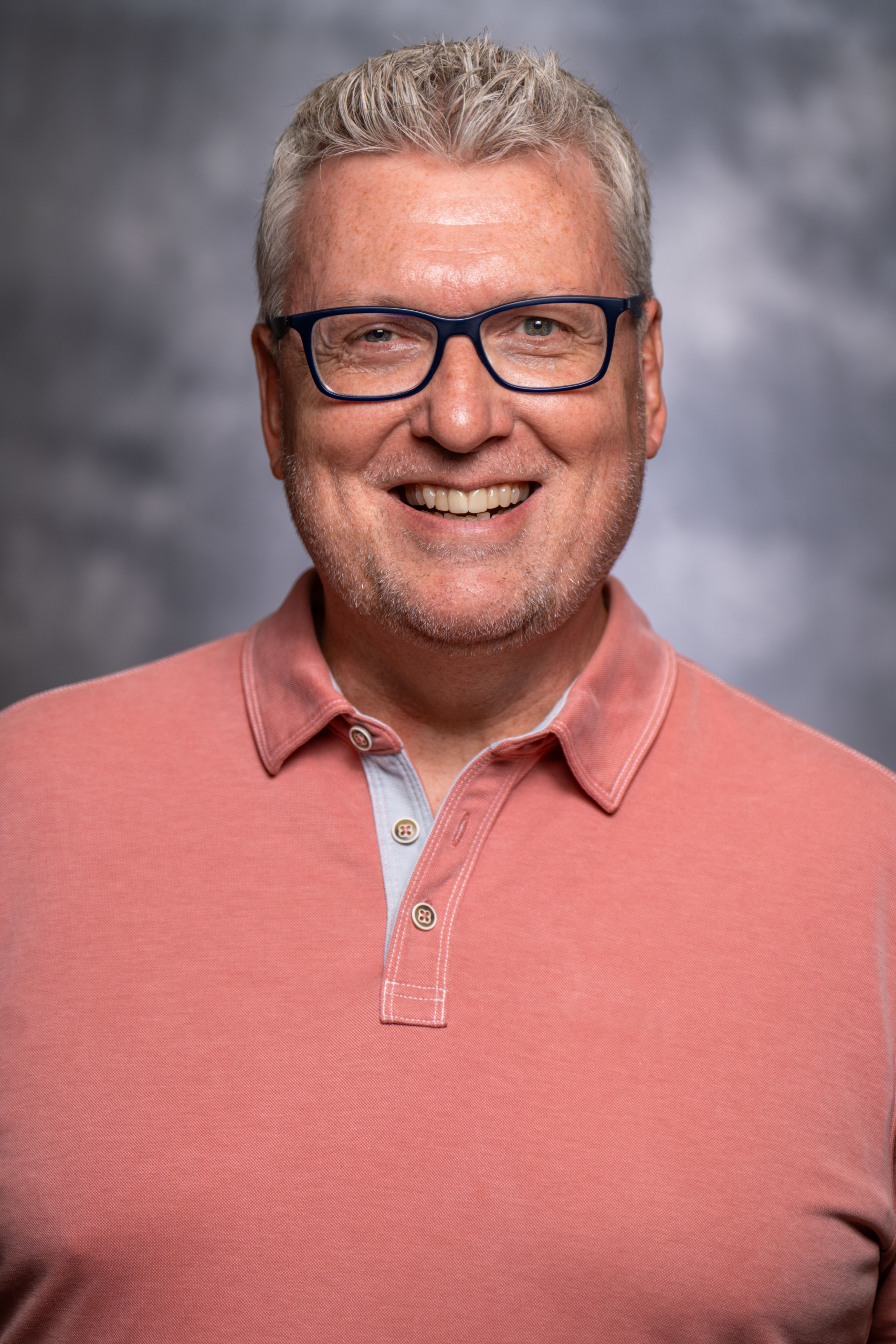 Thor Wasbotten
Thor Wasbotten is executive director of the Edward C. Kennedy Center for Business Ethics at Belmont University in Nashville, Tennessee. He is responsible for vision and strategic direction, budget, fundraising and programming for the Center. In addition, he serves as a professor of practice in the Jack C. Massey College of Business and as special assistant to the provost leading key initiatives that will serve both campus and the Nashville and Middle Tennessee communities. Wasbotten served the Markkula Center for Applied Ethics at Santa Clara University as managing director for six years. During that time, he played a key role in Center-wide strategy, budget, personnel planning and decision making. He has more than twenty years of leadership experience in higher education and a decade in industry, primarily in media and as an entrepreneur. He served as director of Community Engagement in the College of Communication and Information and director of the School of Journalism and Mass Communication (renamed Media and Journalism) at Kent State University. He taught courses in both the School of Media and Journalism and the School for Emerging Media and Technology, including advanced multimedia courses, media ethics and ethics of AI and emerging media and technology. He also served as assistant dean and senior lecturer in the Donald P. Bellisario College of Communications at Penn State University. In industry, he served as news director at the ABC-television affiliate in Tucson, Arizona, and as station manager and founding news director at the FOX-television affiliate in Boise, Idaho. He also helped start Blue Heron Research Partners, a company that provides qualitative due diligence to institutional investors focusing on leadership.
The Pazmany Peter Catholic University joined NHNAI project in 2026 and hold a research project on AI and human called “On the Border Between Humans and Machines” coordinated by the Pázmány Péter Catholic University and the Catholic University of America.
Actors
Andras Nagy
András Nagy is an interdisciplinary social science researcher and project coordinator specializing in AI ethics, geopolitics and economics. He currently serves as Research Project Coordinator of the PPKE AI project “On the Border Between Humans and Machines: Artificial Intelligence, Ethics, and New Regulatory Standards”. He is a doctoral candidate at the Doctoral School of Economic and Regional Sciences of the Hungarian University of Agriculture and Life Sciences. His research focuses on the societal implications of responsible and human-centred AI, while also addressing geopolitical and geoeconomic processes, international relations and questions of national sovereignty. Within economics, his interests also extend to management and leadership, organizational change and sustainability. Before joining PPKE, he held financial, client-management and leadership roles at IBM. Earlier, he gained research and analytical experience at the Antall József Knowledge Centre, the Hungarian Ministry of Defence and the Embassy of Hungary in Madrid.
Prof. Dr. Krisztián Vincze
Prof. Dr. Krisztián Vincze is Professor at the Faculty of Theology of Pázmány Péter Catholic University, Head of the Department of Christian Philosophy No. 1, and Vice-Rector for Foreign Affairs and Scientific Management of the University. His academic work lies at the intersection of Christian philosophy, philosophy of religion and philosophical anthropology. A defining field of his research is the Christian philosophy of Bernhard Welte, with particular attention to faith, human reason, the holy, hope, finitude and human self-interpretation. His work connects the classical Christian intellectual tradition with problems of modern and contemporary philosophy, including the thought of Nietzsche, Kierkegaard, Simone Weil and the phenomenological tradition. He earned his doctorate in philosophy at the University of Vienna and subsequently received a canonical doctorate in philosophy from the Pontifical Lateran University; he completed his habilitation at the PPCU Faculty of Theology in 2020 and was appointed university professor in 2021. He also teaches philosophy at the St. Athanasius Greek Catholic Theological Institute. His academic and professional public activities extend to Christian philosophical research, academic quality assessment and the international relations of Catholic higher education. Within the project, he is one of the leaders of the Anthropology Monograph workgroup. His contribution connects philosophical and theological interpretations of the human person, freedom, rationality, faith and responsibility with the anthropological questions raised by artificial intelligence. As a university leader, he also plays a major role in developing the international academic partnerships of Pázmány Péter Catholic University.